
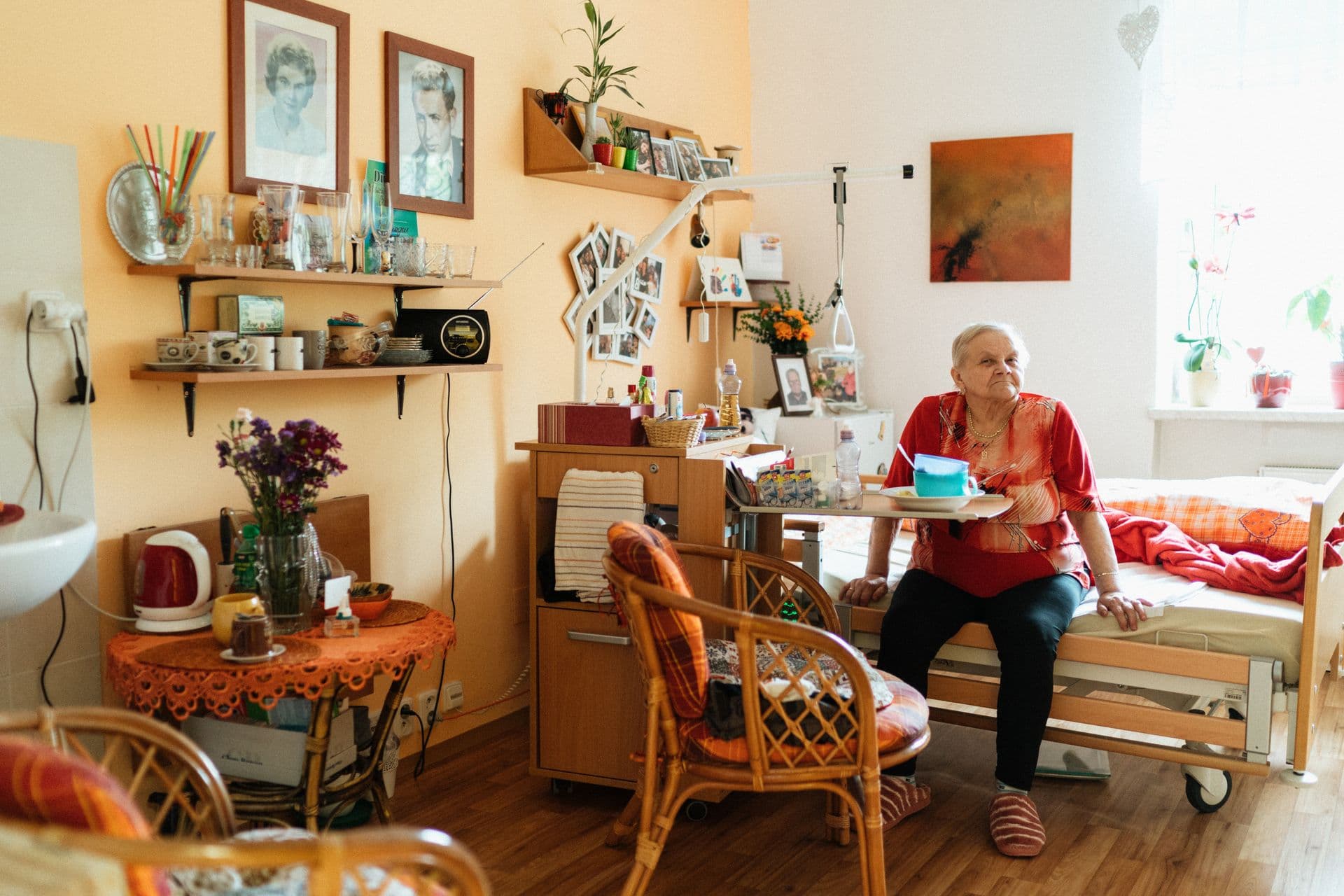
Person-centered care has become central to how senior living communities think about resident experience. But delivering truly personalized care requires more than documenting clinical needs, medications and activities of daily living in a standard care plan.
It requires understanding the person behind the care plan.
A resident's routines, preferences, interests, relationships, life history and personality can all influence how they want to live and how they respond to care.
As senior living software evolves, there is an opportunity to make this information more useful in everyday operations. Rather than simply digitizing traditional care plans, AI-powered senior living software can help communities build richer resident profiles and bring relevant information into the workflows of caregivers, nurses, activity teams and community leaders.
What Is Person-Centered Care in Senior Living?
Person-centered care means designing care and support around the individual rather than expecting every resident to fit into the same system or routine.
Traditional care plans are often primarily needs-based. They might document medication schedules, dietary requirements, mobility support, health conditions and assistance with activities of daily living. All of this information is essential. But it does not necessarily tell a team who the resident is.
What did they do for a living? What does a good morning look like for them? What topics can they talk about for hours? Do they enjoy large social gatherings or prefer one-to-one conversations? What makes them anxious? What makes them laugh? Who are the important people in their life?
A personalized resident profile can complement the traditional care plan by bringing together care requirements with preferences, routines, interests, relationships and personal history.
For example, 'requires assistance with morning routines' provides an instruction. Knowing that a resident has started every morning with tea and a newspaper for 40 years, prefers to shower before breakfast and dislikes being rushed provides context. That context is where person-centered care becomes personal.
Why Resident Preferences and Life History Matter
When someone moves into a senior living community, many familiar aspects of everyday life can suddenly change: their surroundings, routines, schedules and the people they interact with. Small pieces of familiarity can therefore have an outsized impact on the resident experience.
Knowing that someone loves gardening, spent 35 years as a teacher, follows a particular sports team or calls their daughter every Sunday can help staff create more meaningful interactions.
Resident preferences can also help teams understand behavior in context. A resident repeatedly declining activities may not be disengaged; they may prefer smaller groups. Someone refusing breakfast may simply have eaten later in the morning throughout their life. A resident becoming restless in the afternoon may be missing a routine they followed for decades.
This context becomes particularly important in communities where multiple staff members support the same resident.
Experienced caregivers often develop an extraordinary amount of personal knowledge about residents. But when that knowledge exists primarily in the minds of individual staff members, personalized care can become dependent on who happens to be working that day.
A strong senior living care management system should help turn this individual knowledge into shared organizational knowledge.
How AI-Powered Senior Living Software Can Enable Personalization
Senior living communities already generate significant amounts of resident information. The challenge is often not collecting more data. It is making existing information useful.
Important resident context may be spread across assessments, care plans, progress notes, activity records, incident reports, family conversations and staff handovers. This is where AI in senior living can become particularly valuable.
Our approach to building Nova, our AI-powered senior living software, has been guided by a simple principle: Provide the right information, to the right user, at the right time and place in their workflow.
The distinction is important. AI should not mean giving senior living teams another dashboard filled with information they need to search through. Instead, technology should help surface the context that matters for the task or interaction happening right now.
A caregiver beginning a shift might benefit from seeing relevant resident preferences alongside today's care tasks. An activity coordinator planning a program could understand residents' interests and previous participation. A new team member could quickly familiarize themselves with meaningful information about a resident before interacting with them. A community leader could identify changes in engagement, routines or care patterns that might otherwise remain hidden across hundreds of individual records.
This is the opportunity we see for AI-powered senior living software: moving from systems that primarily store information toward systems that can help teams use information.
From Static Resident Profiles to Living Profiles
Personalization should not stop with the information collected during admission. People change. Preferences evolve. New friendships form. Abilities change. Residents discover new activities. Families provide additional context. Care teams learn more about residents through thousands of everyday interactions.
Resident profiles should therefore be living profiles rather than static forms. AI can potentially help senior living communities continuously organize these signals and make useful information easier to find.
Over time, a resident profile could develop a richer understanding of:
- Daily routines and preferences
- Interests, hobbies and conversation topics
- Food and dining preferences
- Social preferences and relationships
- Activity participation
- Communication preferences
- Important family members and life events
- Changes in behavior or routine
- Care observations and recurring patterns
Building Family Trust Through Personalized Care
Families are often one of the richest sources of information about a resident, particularly when someone first moves into senior living. They know the details that rarely appear in a clinical assessment.
'Dad gets restless if he has not been outside all day.' 'Mom loves talking about her years as a teacher.' 'She does not like eating alone.' 'He has listened to music before going to sleep for as long as I can remember.'
Capturing these details sends an important message to families: We want to know the person you know, not simply the resident we are responsible for caring for.
Trust grows further when families see this information reflected in everyday care. Communication can then extend beyond incidents, medications and health updates to include what the resident has been enjoying, changes in routines, new interests, participation and meaningful moments from everyday life.
The right senior living technology can help create this continuity between residents, families and care teams without creating another layer of administrative work.
The Future of Person-Centered Care Is Context-Aware
Person-centered care is not achieved because a community has a 'resident preferences' section inside its software. It happens when knowing that someone loves gardening influences the activities they are invited to. When knowing their morning routine changes how support is provided. When a new caregiver can understand something meaningful about a resident before walking into their room. And when important knowledge about a resident does not disappear when a staff member finishes their shift.
As AI-powered senior living software becomes more capable, its greatest contribution may not be replacing existing care processes. It may be making every person involved in those processes better informed.
That is the direction we are taking with Nova by CareFlick: using AI to help senior living teams turn fragmented resident information into relevant, actionable context within their everyday workflows.
Because the future of person-centered senior living is not simply about having more resident data. It is about knowing what matters about each person and making that knowledge available at the moment it can make a difference.
Questions care teams ask.
How does a person-centered care plan differ from a traditional care plan?+
A traditional care plan typically focuses on clinical needs, medications, mobility, dietary requirements and activities of daily living. A person-centered care plan adds context about the resident's preferences, routines, interests, relationships and life history, helping teams understand not only what care is required, but how that individual prefers to receive it.
What is a personalized resident profile in senior living?+
A personalized resident profile brings together care needs with information such as daily routines, interests, communication preferences, family relationships and personal history. Unlike a static assessment, a dynamic resident profile can evolve as care teams learn more about the resident.
How can AI support person-centered care in senior living?+
AI can help organize information from care notes, assessments, activities and other resident records and surface relevant context when staff need it. The goal is not to replace caregiver judgment, but to provide the right information to the right person at the right time and place in their workflow.
Can AI-powered senior living software reduce staff documentation?+
AI-powered senior living software can help make existing documentation more useful by summarizing information, identifying relevant context and reducing the need to manually search across multiple records. Well-designed AI should fit into existing care workflows rather than create additional administrative work.
Why are resident preferences important in senior living?+
Preferences help care teams understand the individual behind the care plan. Knowing how someone likes to start their morning, what activities they enjoy or what makes them uncomfortable can influence everyday interactions and help create a more personalized resident experience.